
The iphone 18 pro vs pro max decision is not one you can settle with a specification chart today. Apple has not officially announced these phones, so final prices, dimensions, cameras, battery capacities, storage options, and release timing remain unconfirmed. Still, you can make a sensible buying plan by understanding the tradeoffs that usually separate Apple’s Pro and Pro Max models. The right choice depends less on having the largest phone and more on how you use a screen, camera, battery, and budget every day.
What is confirmed, and what is still speculation?
At this stage, treat detailed iPhone 18 Pro and iPhone 18 Pro Max rumors as planning material, not purchase facts. Apple typically keeps final specifications private until its official announcement. Reports from supply-chain sources and technology analysts can point toward possible screen changes, camera updates, chip improvements, or design adjustments, but those reports can change or conflict.
That matters because a rumored feature should not determine a $1,000-plus purchase. Before ordering, confirm the official U.S. price, storage tiers, screen size, weight, camera specifications, battery claims, cellular compatibility, and included accessories on Apple’s product page. Also check whether your preferred carrier supports the exact model. A phone can be technically compatible with a network while offering different eSIM, satellite, or band support in different regions.
The safest current answer to the iphone 18 pro vs pro max question is that the broad buying pattern is predictable, while the details are not. The Pro Max is likely to emphasize a larger display and longer battery life, but the final differences need official confirmation.
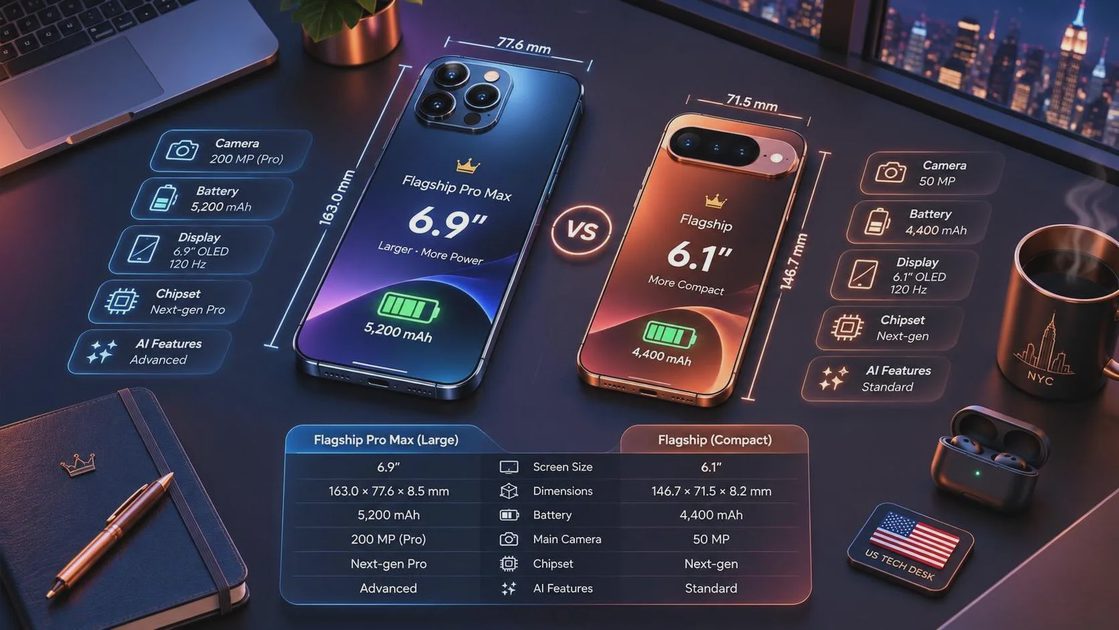
Size and comfort may matter more than camera rumors
The clearest practical distinction in the iphone 18 pro vs pro max comparison will probably be physical size. A Pro Max model generally gives you more room for reading, editing photos, watching video, navigating, and using a full keyboard. That extra space is useful if your iPhone serves as your primary screen during a commute or while traveling.
The cost is comfort. A larger phone takes more room in a pocket, can feel heavy when held one-handed, and may be awkward on a small car mount or bedside stand. It can also require a larger case and a wider MagSafe wallet or battery accessory. Those are small purchases individually, but a case, screen protector, car mount, and power bank can add $80 to $200 to the complete setup.
The regular Pro is usually easier to carry and use with one hand. It makes more sense for someone who already owns an iPad or laptop for large-screen work, or who values a lighter phone during walks, errands, and travel. Visit an Apple Store or retailer and hold a current Pro Max-sized phone for several minutes. That simple test tells you more than a rumor-based weight estimate.
Camera differences need careful checking
Camera buyers should avoid assuming that Pro Max automatically means every camera is better. Apple has sometimes differentiated models through battery size, display dimensions, or camera hardware, but the exact split can change from one generation to the next. Wait for official technical specifications before paying extra for a rumored sensor or zoom feature.
Ask what you actually photograph. A parent taking indoor family pictures may benefit more from improved low-light processing than from a longer telephoto lens. A traveler who photographs distant architecture, sports, or wildlife may value optical zoom and stabilization. Someone who mostly uses the front camera, standard photos, and video calls may see little practical benefit from the most expensive configuration.
Storage is part of the camera decision. High-resolution photos and especially 4K video can fill a 256GB phone faster than expected. If you record frequent travel videos, compare the price of moving from 256GB to 512GB with the cost of using iCloud storage. Cloud storage can reduce local pressure, but it is an ongoing subscription and does not replace a separate backup strategy.
Battery life and charging costs
Battery is where the iphone 18 pro vs pro max choice could have the most noticeable daily effect. A larger body usually leaves more room for a larger battery, and that can help heavy users finish a long day with more charge remaining. Navigation, camera recording, cellular data, gaming, and bright displays all consume power quickly.
However, battery life depends on more than capacity. Processor efficiency, modem behavior, screen brightness, signal strength, software, and app activity also matter. Do not buy the larger phone solely because a rumor lists a bigger battery. Wait for Apple’s stated claims and independent testing after release.
Your existing charging setup may work, but inspect it before upgrading. A USB-C power adapter rated around 20W or higher is a reasonable starting point for modern iPhone charging, while a quality USB-C cable is essential. Wireless charging is convenient but can be slower and warmer. A new phone may also need a case with accurate MagSafe alignment; an older case can interfere with magnets, charging, or camera protection.
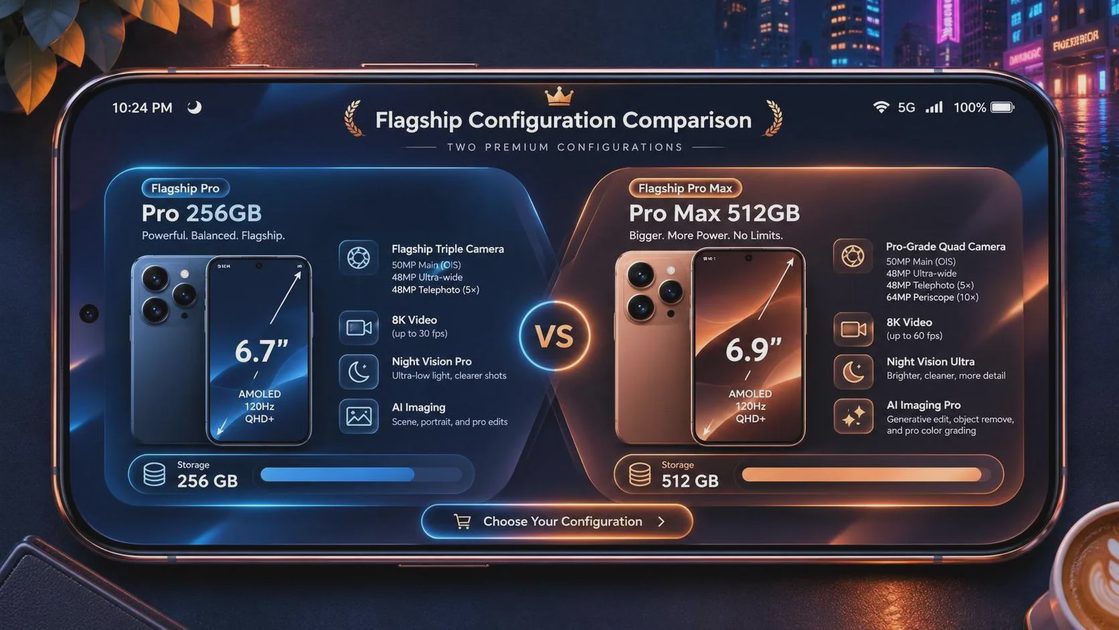
Price, storage, and the total purchase
In the iphone 18 pro vs pro max comparison, the Pro Max premium may be easier to justify when it replaces another device. If you use the phone for video viewing, photo editing, navigation, and work messages all day, a larger screen and stronger endurance can reduce the need to carry a tablet or charging pack. If it is mainly a calling, messaging, camera, and banking device, the regular Pro may deliver the more sensible value.
Build a total-cost worksheet before launch. Include the phone, sales tax, AppleCare+ if you want coverage, a case, screen protection, a charger if your current one is unsuitable, and any storage or carrier financing cost. Compare that figure with your current phone’s trade-in value and with a previous-generation Pro model. A last-generation phone often becomes the better deal once a new model arrives, especially when its camera and battery already meet your needs.
Carrier promotions deserve scrutiny. A bill credit may require an eligible trade-in, a specific unlimited plan, and a commitment lasting 24 or 36 months. Calculate the plan difference over the full term instead of focusing only on the advertised phone payment. Apple’s direct purchase can cost more upfront but may leave you free to change carriers.
A practical buying checklist
Before choosing between the two models, answer these questions:
- Do I need a large screen every day, or would a lighter phone be easier to carry?
- Do I regularly record long videos or travel without reliable charging?
- Is a special camera capability confirmed officially, or is it only rumored?
- Which storage tier fits my photo library without creating an unnecessary premium?
- Will my current USB-C charger, case, car mount, and MagSafe accessories fit?
- Does the carrier offer real savings after plan costs, trade-in requirements, and taxes?
- Would replacing my current battery or buying a previous-generation model solve the actual problem?
If the answer to most questions points to portability and value, choose the smaller Pro when official details are available. If screen area and endurance are central to your routine, the Pro Max deserves the extra cost. Make the final decision after Apple publishes the specifications, not before.
The bottom line on iphone 18 pro vs pro max is straightforward: choose the Pro Max for meaningful screen and battery advantages, not for status or rumor-driven anxiety. Choose the Pro when comfort, easier carrying, and lower total cost matter more. Your current iPhone may also be good enough if it takes the photos you need, receives the software features you use, and lasts through your normal day. Check the real problem first, then make your tech fit your life.